
Hair Rebonding: Pros, Cons & Care Tips
POSTED ON April 17, 2026
Ever dreamt of having perfectly straight, silky hair that’s easy to manage? That’s exactly why hair rebonding has become so popular. This chemical hair treatment transforms curly, wavy, or frizzy hair into sleek, smooth strands that require minimal daily styling.
In this guide, we’ll walk you through everything you need to know about what is hair rebonding, how it works, who it’s suitable for, its benefits and risks, and how to care for your hair after the treatment.
How Hair Rebonding Works
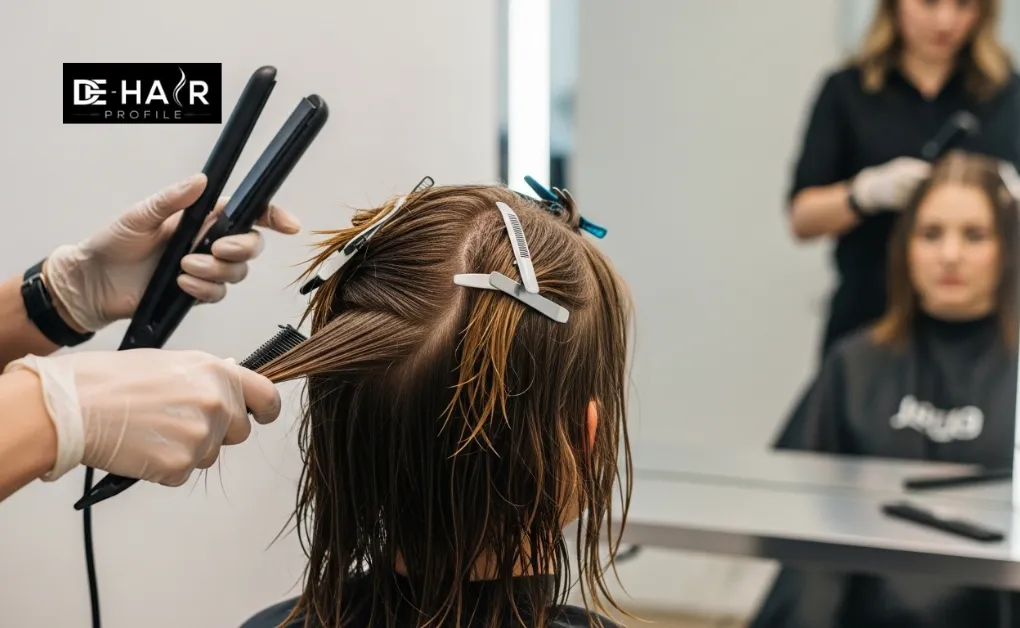
Hair rebonding might sound complicated, but the process is actually quite structured. Here’s what usually happens in a salon:
Washing: Your hair is first washed with a mild shampoo to remove dirt and oils.
Chemical Application: A chemical relaxer breaks down the natural bonds in your hair, making it soft and manageable.
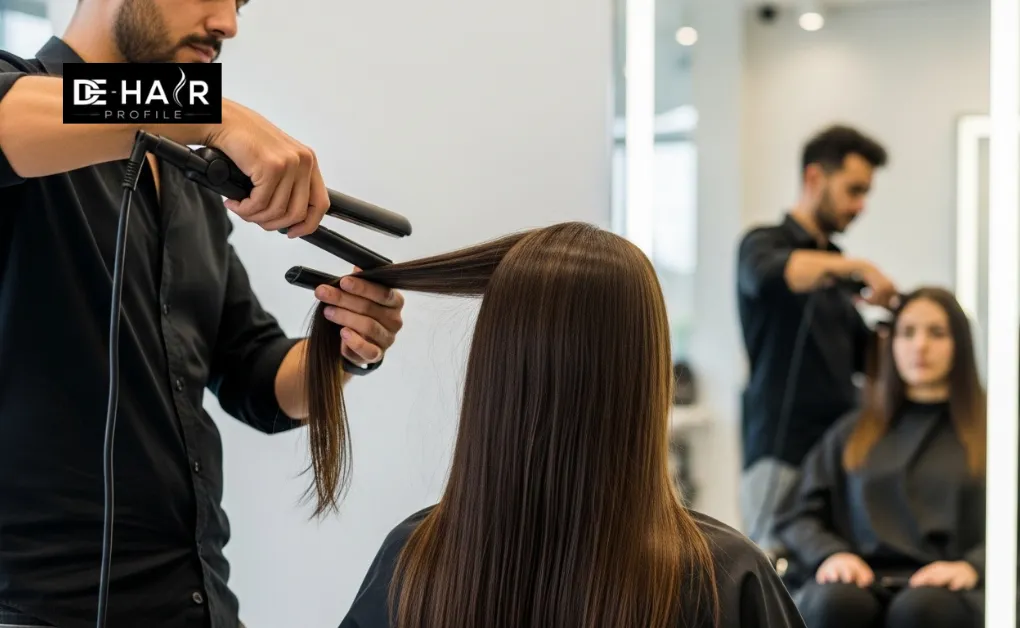
Ironing: A flat iron is used to straighten your hair strand by strand, locking in the smooth texture.
Finishing: A neutraliser is applied to rebuild the hair bonds in the new straight form.
Right after the treatment, you’ll notice a significant transformation to frizz-free, shiny, and straight hair. However, it’s important to follow safety measures, like consulting a professional stylist and avoiding DIY chemical applications, to prevent damage.
Is Hair Rebonding Right for You?
Rebonding is ideal for:
- Curly, wavy, or frizzy hair that’s difficult to manage daily.
- Those looking for a low-maintenance hairstyle with minimal styling effort.
However, it’s not suitable for:
- Very fine, weak, or damaged hair, as the chemicals can cause breakage.
- Hair with scalp issues or recent chemical treatments, since this can increase sensitivity and risk of damage.
Always have a stylist assess your hair and scalp before the treatment to ensure it’s safe.
Benefits of Hair Rebonding
Hair rebonding comes with several advantages:
1. Long-Lasting Results
Hair stays straight for 6 to 12 months, even in humid weather. With proper aftercare, the sleek look holds much longer than traditional styling methods. This means fewer styling sessions and consistently polished hair throughout the season.
2. Time-Saving Routine
You’ll spend far less time styling daily. No need for flat irons, detangling, or frizz-fighting products. Air-dry your hair and step out with a polished finish perfect for busy mornings. It also frees up time for other beauty or self-care routines.
3. Effective on Thick or Curly Hair
Stubborn hair types like coarse, curly, or wavy textures become smooth and manageable, making everyday styling easier. Even naturally unruly strands stay in place for longer periods.
4. Frizz-Free, Glossy Finish
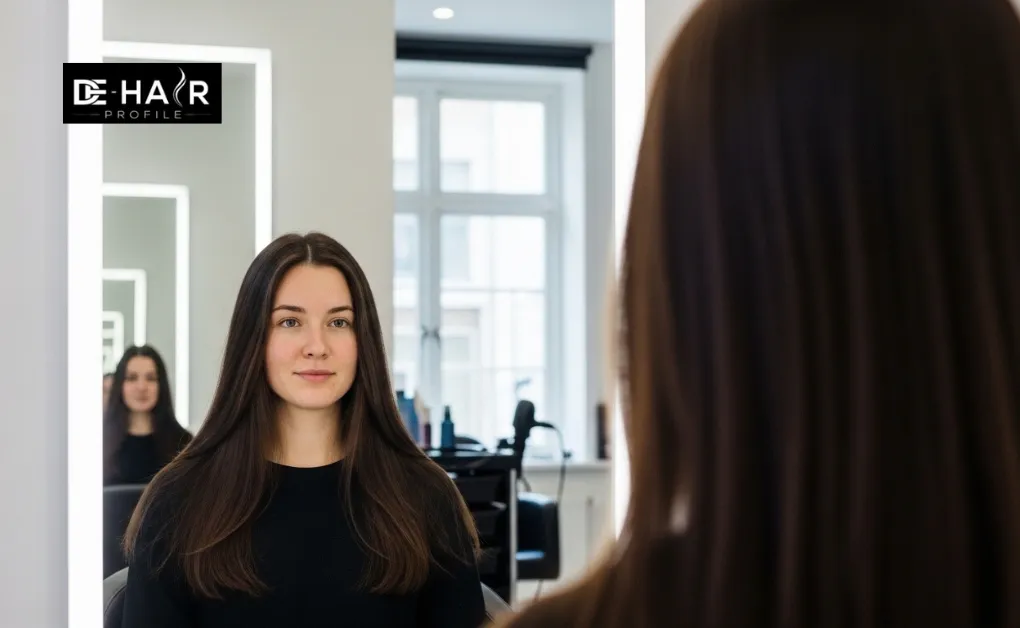
Hair appears shiny and healthy, with a salon-like blowout effect that lasts without daily styling. The enhanced shine gives hair a nourished, vibrant look that boosts overall appearance.
5. Confidence Boost
Sleek, polished hair naturally elevates your appearance and self-esteem. Feeling good about your hair often translates to feeling more confident in daily life.
Risks and Drawbacks to Consider
While rebonding has many benefits, it also comes with some downsides:
1. Permanent Texture Change
Once rebonded, your natural curls or waves won’t return until new hair grows out. This limits styling flexibility for months and may prevent trying different hairstyles during that period.
2. Risk of Damage
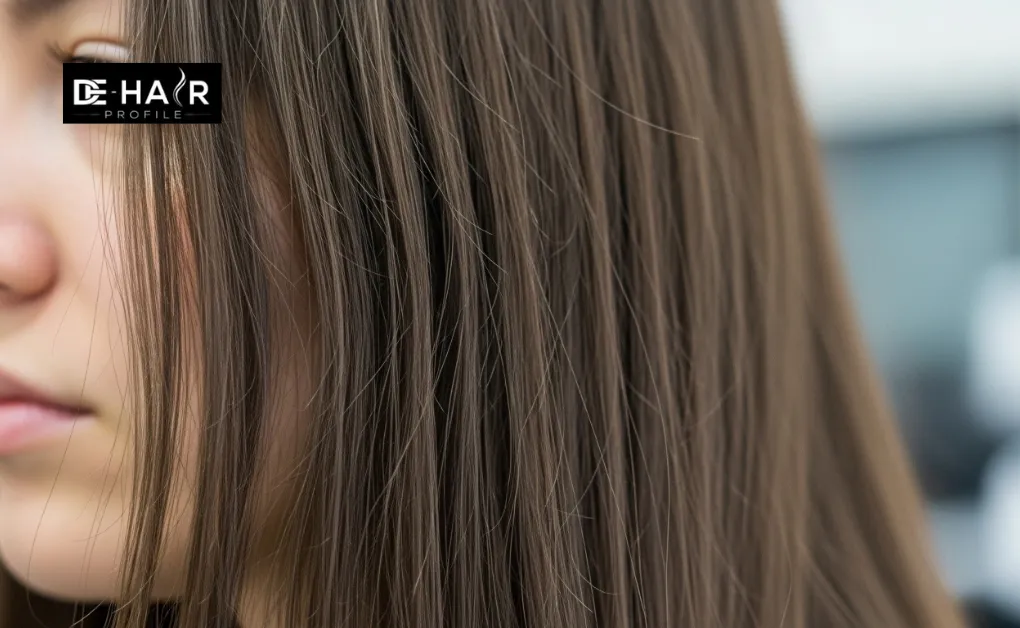
Strong chemicals and high heat can weaken hair, especially if it’s colored, bleached, or fine. Without proper care, hair may become dry or prone to breakage, requiring extra attention to restore moisture.
3. High Initial Investment
Prices typically range from $180–$450 in Singapore. While it saves time in the long run, the upfront cost is considerable, and you should also factor in touch-up expenses for maintaining the style.
4. Noticeable Regrowth Contrast
As your hair grows, natural roots can create a visible contrast with straightened lengths. Regular salon visits are often necessary to maintain a uniform, seamless appearance.
5. Sensitivity or Allergic Reactions
Some people may react to the chemicals used, so a patch or strand test is important. Even minor scalp irritation can be uncomfortable, so monitoring your hair’s reaction post-treatment is key.
How to Care for Rebonded Hair
Proper care is crucial to maintain your newly straightened reborn hair:
- Avoid washing for 72 hours after rebonding to allow hair bonds to settle.
- Use sulfate-free shampoos and nourishing conditioners to protect hair health, and consider the best anti-frizz hair treatment to keep your hair smooth and manageable.
- Shield hair from heat, sun, and harsh chemicals to prevent dryness.
- During regrowth, style gently to avoid breakage or uneven texture.
Consistent care ensures your hair stays shiny, smooth, and healthy for months.
How to Choose the Right Salon and Stylist
A good hair salon and experienced stylist can make all the difference:
- Ask about their experience, the products they use, and whether they perform a strand test.
- Avoid salons with poor hygiene or those that rush treatments.
- Professional rebonding is far safer than DIY kits, which can cause serious damage.
Your hair is an investment, so choose quality over cost. If you’re considering treatment options, visiting a trusted hair salon in Orchard can ensure better results, safety, and professional care.
Hair Rebonding vs Other Straightening Methods
There are other ways to get straight hair, but each comes with trade-offs:
- Keratin treatments smooth hair but are temporary and less chemical-intensive.
- Brazilian blowouts add shine and smoothness, but don’t fully straighten curly hair.
- Home straightening is quick but can damage hair if done frequently.
Rebonding stands out for permanent straightening and frizz control, making it a popular choice for those comparing different hair treatments vs rebonding, though it still requires careful maintenance.
Conclusion
Hair rebonding can give you sleek, shiny, and low-maintenance hair that’s easy to manage. While it may cause dryness or permanent texture changes, proper aftercare and a skilled stylist can help minimise risks.
With the right approach, rebonded hair not only looks polished but also boosts confidence. By caring for your hair and following a good maintenance routine, you can enjoy smooth, healthy, and beautiful hair for months.
If you’re looking for a long-term solution for smooth, manageable hair, exploring professional curl and straightening services can help you choose the right treatment based on your hair type and desired results.
FAQs
1. How long does rebonding last?
Typically, rebonded hair stays straight for 6–12 months. The exact duration depends on how fast your hair grows and how well you maintain it. Using proper shampoos, conditioners, and gentle styling can help the straight look last longer.
2. Can colored hair be safely rebonded?
Yes, colored hair can be rebonded, but it requires extra caution. Some hair dyes make strands more fragile, so a stylist may suggest a strand test first. Proper aftercare is especially important to prevent dryness or damage.
3. Does hair rebonding permanently damage your hair?
Rebonding changes your hair texture permanently, but it doesn’t necessarily mean it will be unhealthy. With careful post-treatment care, deep conditioning, and protection from heat, most hair stays strong and manageable.
4. How soon can I wash my hair after rebonding?
You should wait at least 72 hours after the rebonding treatment before washing. This waiting period helps the chemical bonds settle properly. Washing too soon may affect the straightness and smoothness of your hair.
5. Home vs salon hair rebonding: which is safer?
Professional salon treatments are much safer than attempting rebonding at home. Stylists have experience, high-quality products, and safety measures in place. DIY treatments often risk uneven results, breakage, or chemical burns.
6. Differences between rebonding and keratin?
Rebonding permanently straightens hair, while keratin mainly smooths and adds shine temporarily. Keratin treatments are gentler but need more frequent touch-ups. Rebonding gives a long-lasting, straight look but requires careful maintenance.