
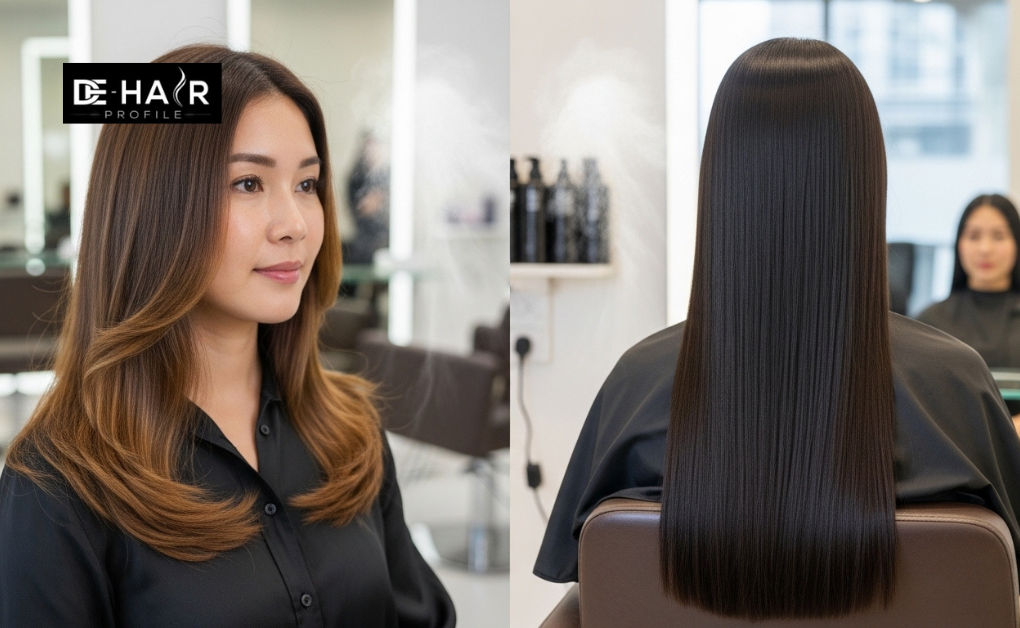
Keratin vs Rebonding in Singapore: Which One Should You Pick?
POSTED ON March 24, 2026
In Singapore, the weather can be a real headache for your hair. Hot, humid days mean frizz, flyaways, and messy strands show up no matter what you do. That’s why so many people turn to Keratin vs Rebonding in Singapore treatments. Both help tame frizz and make hair easier to manage, but they work in very different ways. Choosing the wrong one can waste time, money, and even damage your hair.
This guide will break down how each treatment works, what results to expect, and which one is safest for your hair, so you can get smooth, manageable hair that actually lasts in Singapore’s humidity.
What Is a Keratin Treatment?
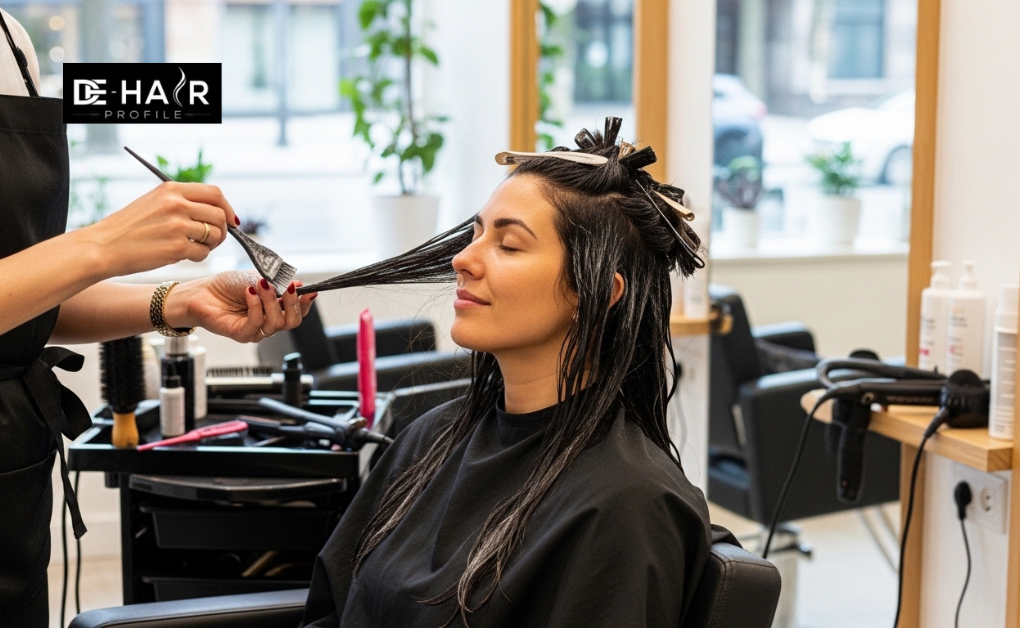
Think of keratin like a smoothing coat that goes over each strand of your hair. The stylist puts a special formula on your hair and uses heat to seal it in. It makes your hair softer, shinier, and way less frizzy, but it doesn’t make it completely straight. If you have wavy hair, you’ll still have waves. They’ll just look clean and nice instead of puffy and all over the place.
The results usually last around 3 to 6 months, but in Singapore’s humidity, you’re probably looking at closer to 3 months before it starts loosening up. One really good thing about keratin is that it’s actually gentle enough for hair that’s already been coloured or chemically treated. So if your hair has been through a lot already, keratin is usually the safer pick.
For those looking for a salon option, De Hair Profile offers an anti-frizz keratin treatment that uses formaldehyde-free formulas designed specifically for Singapore’s humid climate.
What Is Hair Rebonding?
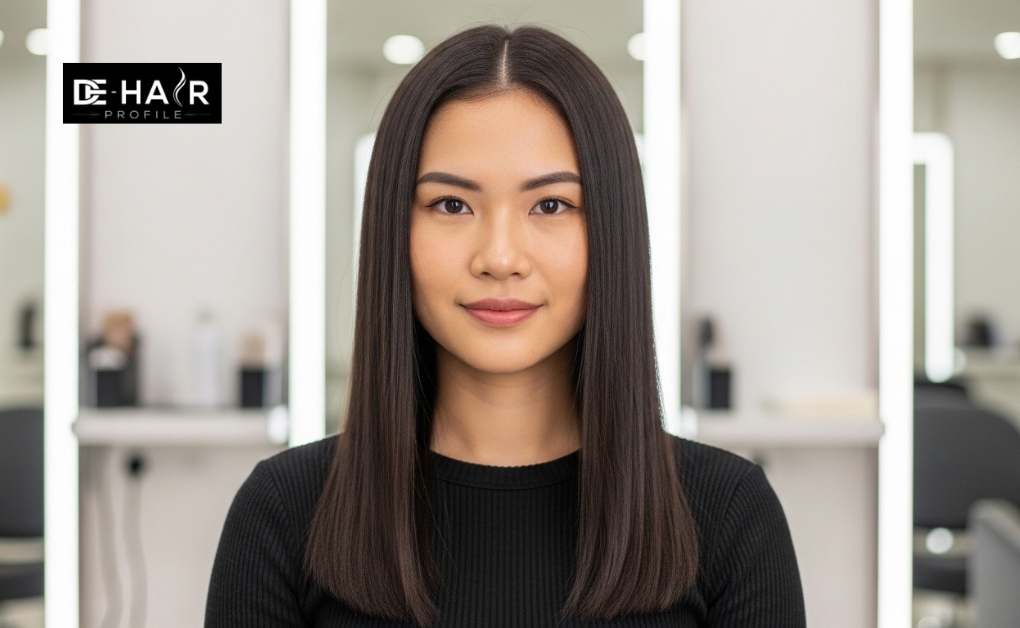
Rebonding goes much deeper than keratin. It’s a chemical treatment that actually changes the structure of your hair from the inside. The chemicals break apart your hair’s natural bonds and rebuild them so your hair comes out completely straight, no waves, no curl, no frizz. Even after washing or getting caught in the rain, your hair stays straight. The only part that won’t be straight is new hair growing in from your roots, since that comes in with your natural texture.
The results last a really long time, which makes mornings way less stressful. But here’s the thing: rebonding uses strong chemicals, and your hair has to be in good condition before you do it. If your hair has been bleached, heavily dyed, or permed before, rebonding can cause serious breakage. Your hair history matters a lot with this one.
There’s also something called soft rebonding, which uses gentler chemicals. Your hair gets straighter and smoother, but it still has a little natural movement to it, not stiff and flat like full rebonding. It’s a good middle option if full rebonding sounds like too much, but keratin doesn’t feel like enough.
Keratin vs Rebonding: Quick Comparison
| Keratin | Rebonding | |
| How it works | Coats and smooths the outside of each strand | Permanently changes the inside structure of your hair |
| Result | Smooth, frizz-free, and still looks natural | Completely straight and sleek |
| How long it lasts | 3–6 months, fades slowly | Permanent on the hair that was treated |
| Best for | Wavy, frizzy, or already-treated hair | Very curly or coarse hair that’s in good condition |
| Chemical strength | Mild to moderate | Strong |
| Safe for coloured hair? | Yes | Not recommended if bleached or permed |
| Time at the salon | 2–3 hours | 3–4 hours |
| Ongoing upkeep | Redo every few months | Root touch-ups and deep conditioning |
So Which One Is Actually Right for You?
The answer really depends less on what you want and more on what your hair can handle when choosing between Keratin vs Rebonding in Singapore.
Go with keratin if:
- You want smoother hair that still looks and feels like your own
- Your hair has already been coloured, bleached, or chemically treated
- You’re okay with results that fade naturally over time
- Your hair is wavy or just kind of frizzy, not extremely curly
- Your hair is fine and thin, strong rebonding chemicals can actually make fine hair go limp and break
Go with rebonding if:
- You want the curl and frizz completely gone, not just calmed down
- You have thick, coarse, or very curly hair, and nothing else has worked
- Your hair is healthy with no big chemical history
- You don’t mind going back to the salon for root touch-ups as new hair grows in
- You want to save serious time on your hair every single morning
If your hair has been bleached, highlighted, or permed recently, or if you’re already noticing breakage and dryness, hold off on rebonding for now. Getting a hair repair treatment first isn’t optional; it’s what keeps your hair from getting seriously damaged. A strand test before any treatment is always a smart move.
Conclusion
Both treatments can genuinely change your daily routine. No more fighting frizz in Singapore’s humidity, no more spending extra time trying to tame your hair every morning.
Keratin is great if you want smoother, healthier-looking hair that still has its natural texture. Rebonding is the move if you have thick or very curly hair and want it permanently straight. The key is being honest about your hair’s current condition; that’s really what decides which one works best for you.
Still not sure which one to go with? A consultation at a trusted hair salon in Orchard is a good place to start. They can do a strand test, look at your hair’s history, and tell you honestly what your hair can handle and what will give you the best results.
FAQs
1. Can I colour my hair before or after a treatment?
Do one thing at a time and wait 2–3 weeks in between. Doing colour and rebonding back-to-back is really harsh on your hair. For keratin, colouring first is usually fine, but check with your stylist to be sure.
2. Is keratin safe if I have a sensitive scalp?
It depends on the formula. Some keratin treatments contain formaldehyde, which can cause irritation. Ask your stylist what’s in their formula and do a patch test if your scalp is sensitive.
3. Which one is better for short hair?
Keratin, almost always. Rebonding on short hair can look stiff and flat. Keratin keeps short hair smooth while still looking natural.
4. How do I know if my hair is healthy enough for rebonding?
Check for bleached or highlighted hair, recent perms, dryness, breakage, or a lot of split ends. If any of those apply to you, keratin is the safer choice. Get your hair healthy first, then think about rebonding.
5. Does rebonding damage your hair long-term?
Not if your hair is in good shape and you look after it properly. The problems usually come from going in with already-damaged hair, skipping aftercare, or doing it too often. The chemicals are strong, so your hair’s condition before the treatment is everything.
6. Which treatment holds up better in Singapore’s humidity?
Rebonding lasts longer since it permanently changes your hair’s structure; humidity won’t undo that. Keratin works well, too, but in Singapore, it usually starts to loosen after about 2–3 months.