
What Is the Best Dry Scalp Treatment? What Truly Works for Lasting Relief
POSTED ON January 29, 2026
If your scalp feels itchy and flaky no matter what you try, it can be exhausting. The constant urge to scratch, visible flakes and the feeling that nothing really works often lead people to switch products again and again, hoping the next one will finally make a difference.
With so many dry scalp treatments available, from shampoos and oils to home remedies and medicated options, it’s hard to know what’s genuinely effective and what may cause more irritation over time.
This guide highlights what is the best dry scalp treatment recommended by scalp care professionals and used in clinical and salon settings. Each option focuses on restoring moisture, supporting the scalp’s natural barrier and improving long-term scalp health, rather than offering short-term fixes.
What Is Dry Scalp and Why It Keeps Coming Back
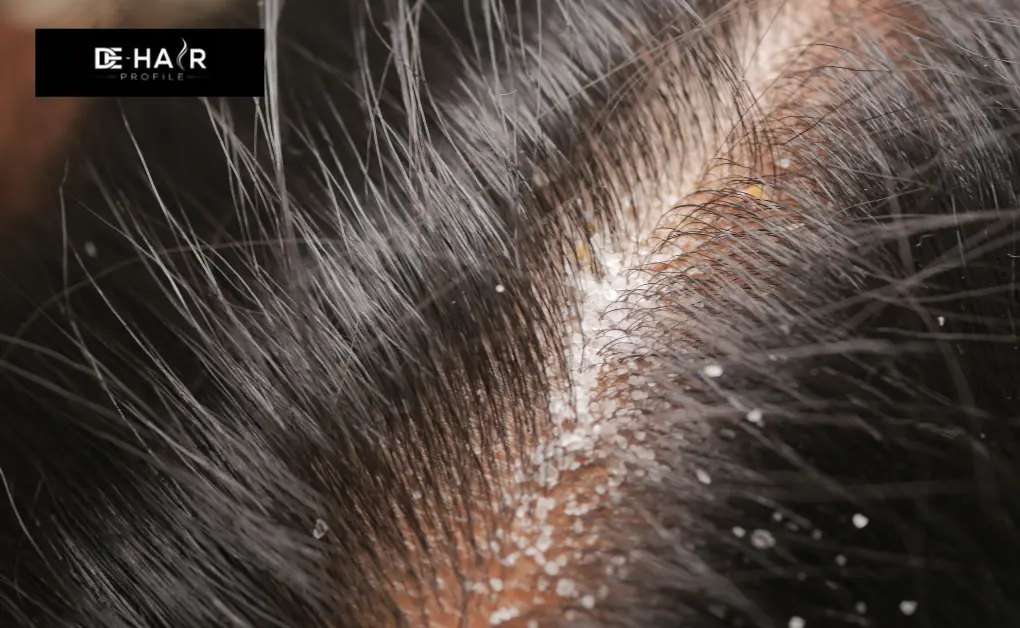
Dry scalp occurs when the skin on the scalp struggles to retain enough moisture. This leads to flaking and irritation that can come and go over time.
What makes dry scalp frustrating is that it often returns. This usually happens because of a combination of everyday factors rather than one single cause. Frequent washing, strong shampoos, hot water and cold or dry weather can gradually weaken the scalp’s natural protection. In some cases, underlying skin conditions such as eczema or psoriasis can also make dryness harder to settle.
Best Dry Scalp Treatments That Actually Work
The most effective dry scalp treatment focuses on moisture, balance and long-term scalp health rather than temporary relief. A key part of this is supporting the scalp’s skin barrier, which helps lock in moisture and protect against irritation. When this barrier is weakened, even good products struggle to work properly.
Below are treatments that genuinely help, starting with simple changes at home and moving towards deeper solutions when dryness doesn’t settle.
1. Moisturising Shampoos for Dry Scalp
Choosing the right shampoo makes a bigger difference than most people realise. A moisturising shampoo should cleanse gently without stripping away the natural oils the scalp relies on.
Look for shampoos containing hyaluronic acid, glycerin, ceramides or aloe vera. These ingredients help attract and retain moisture, making them especially helpful for anyone searching for a dry and itchy scalp treatment.
Shampoos with sulphates, strong fragrances or drying alcohols are best avoided, as they can disrupt the scalp’s balance and worsen dryness over time.
2. Scalp Oils and Leave-In Treatments
Scalp oils and leave-in treatments can help manage dryness between washes when used sparingly. Light options such as coconut oil, jojoba oil and argan oil help soften the scalp and ease irritation without weighing the hair down.
Apply a small amount directly to dry areas. Using too much can cause build-up, which may lead to further irritation instead of relief.
3. Professional Scalp Care Treatments
When dry scalp keeps returning despite careful home care, professional scalp care treatment can provide the extra support needed. These treatments focus on improving scalp health at a deeper level, rather than simply managing surface flakes.
A typical professional scalp treatment begins with a thorough scalp assessment to understand what’s really causing the dryness. This is followed by gentle exfoliation to remove dead skin and product build-up, allowing hydration to absorb more effectively. Deep moisturising steps help rebalance the scalp, while a relaxing scalp massage supports circulation and overall scalp function.
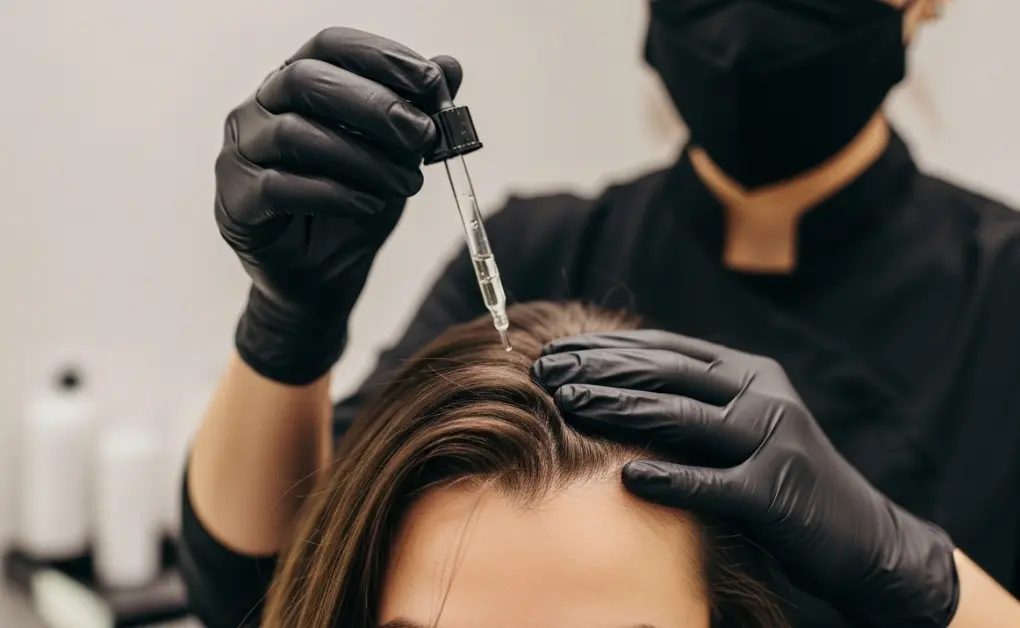
If you’re curious about what actually happens during a professional scalp treatment and how each step supports scalp health, you can explore our detailed guide on how scalp treatment works.
4. Medicated Treatments for Severe Dry Scalp
In some cases, dry scalp is linked to an underlying skin condition, where regular hair care products may not be enough. In these situations, medicated treatments can help manage symptoms and bring the scalp back into balance.
Treatments containing salicylic acid work by gently loosening and lifting thick, stubborn flakes. Ketoconazole helps reduce yeast on the scalp when it plays a role in ongoing flaking, while coal tar can slow down skin cell turnover and ease irritation in more persistent cases.
These treatments should be used carefully, as overuse can increase sensitivity or dryness. If symptoms don’t improve or keep returning, seeking professional advice helps the scalp be treated safely and appropriately.
Natural Remedies for Dry Scalp: Are They Worth Trying?
Yes, natural remedies can be worth trying for mild dry scalp or as a supportive part of a gentle care routine, but they aren’t always enough on their own for persistent dryness.
Aloe vera may help calm irritation, while coconut oil masks can provide extra moisture when the scalp feels dry. A gentle scalp massage can also support healthy blood flow and relaxation.
However, natural doesn’t always mean risk-free. Strong essential oils should be used with caution, as they can irritate sensitive scalps if not properly diluted or used too often.
Dry Scalp vs Dandruff: Why the Difference Matters
Although they can look similar, dry scalp and dandruff are caused by different factors.
- Dry scalp is linked to a lack of moisture, with small, dry flakes
- Dandruff is associated with excess oil and a yeast called Malassezia, often producing larger, greasy flakes
Because of this difference, dandruff shampoos can worsen dry scalp by reducing oil instead of restoring moisture.
How to Stop Dry Scalp From Coming Back
Once dryness improves, preventing it from returning is about supporting the scalp consistently rather than constantly changing products. These everyday tips help maintain long-term scalp comfort:
- Avoid overwashing, as frequent shampooing can strip the scalp of its natural oils
- Use lukewarm water instead of hot, which helps prevent moisture loss from the scalp
- Stay well hydrated to support the skin’s ability to retain moisture
- Eat a balanced diet with healthy fats, vitamins and minerals that support scalp health
- Manage stress levels, as ongoing stress can trigger sensitivity and flare-ups
- Limit heat styling and harsh styling habits, which can dry out the scalp over time
Alongside these steps, building a regular scalp care routine helps maintain comfort over time. If you’d like to understand this better, you can also check our guide on scalp care tips, which covers simple daily habits that support long-term scalp and hair health.
When to Consider Professional Help
If dryness keeps returning or symptoms don’t improve despite careful home care, it may be time to seek professional support. A personalised scalp assessment can identify contributing factors that aren’t always obvious.
If you’re looking for a trusted dry scalp treatment in Singapore, De Hair Profile, a trusted Orchard Gateway hair salon, offers the Signature Scalp Care Treatment, designed to deeply hydrate the scalp, calm irritation and support long-term scalp health. Booking a professional treatment can be a meaningful step towards lasting relief.
Conclusion
Dry scalp is a sign that the scalp needs balance and support rather than aggressive treatment. Choosing the right scalp treatment for dry scalp, along with gentle care and consistent habits, plays an important role in restoring long-term comfort.
Paying attention to early signs, understanding how your scalp responds and knowing when to seek professional guidance all help maintain scalp health. A healthy scalp creates the right foundation for stronger, more resilient hair over time.
FAQs
How to treat dry scalp on a toddler?
Dry scalp in toddlers is usually mild and often linked to weather changes or skin sensitivity. Using a gentle baby shampoo, washing less often and keeping bath water lukewarm can help. If symptoms persist, consult a healthcare professional.
Which vitamin deficiency causes dry scalp?
Dry scalp can sometimes be linked to low levels of vitamin D, biotin or essential fatty acids, though external factors are more common causes.
Can dry scalp cause hair loss?
No, dry scalp itself doesn’t usually cause hair loss. However, constant itching and scratching can irritate the scalp and weaken hair at the root, which may lead to increased breakage or shedding over time.
How long does it take for dry scalp to improve?
Mild cases may improve within one to two weeks, while persistent dryness may take longer and benefit from professional care.
Is dry scalp worse in winter?
Yes. Cold air and indoor heating reduce skin moisture, making dryness more common during colder months.