
Is Keratin Treatment Good for Hair? What You Need to Know
POSTED ON September 25, 2025
In Singapore and many other places, the heat and humidity can cause hair to become frizzy, rough, and challenging to manage. If you’ve ever wondered, Is keratin treatment good for hair?, you’re not alone. Many people turn to keratin treatments to reduce frizz, add shine, and make styling much easier. These treatments work by adding keratin, a natural protein your hair already has, to make each strand firmer, smoother, and healthier-looking.
Getting a salon keratin treatment often feels like a complete makeover, like stepping out with a fresh blowout that lasts for weeks. Whether your hair is curly, wavy, or straight, thick or fine, it can help make daily styling faster and less stressful. With the proper care, the results last even longer, which is why keratin has become such a popular choice in salons.
What Is Keratin Hair Treatment?
A keratin treatment is a salon or at-home process that smooths, straightens, and tames frizz by infusing hair with keratin-rich formulas. Keratin is a protein naturally found in hair, but exposure to heat, colouring, and environmental factors can deplete it over time.
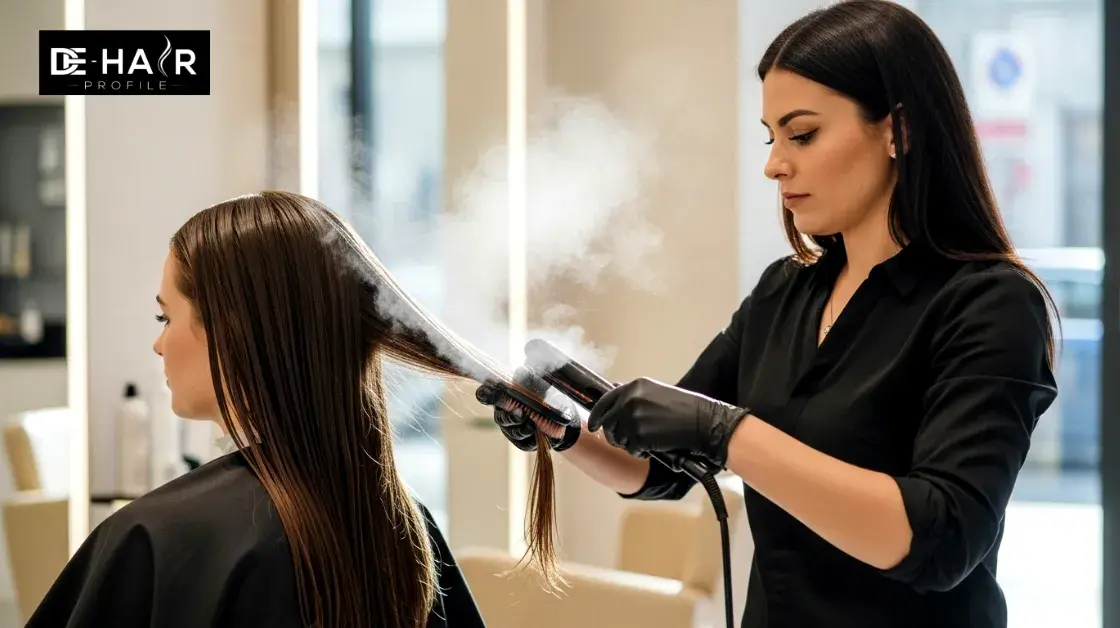
During treatment, a stylist applies a keratin-based solution to your hair and seals it in using heat, usually from a flat iron. This process temporarily relaxes curls and waves, leaving hair shinier, smoother, and more manageable. Results typically last between 2 and 6 months, depending on your hair type, the quality of the product used, and your aftercare routine.
Want to learn more about how keratin works and whether it’s right for your hair? Explore our complete keratin treatment guide.
Benefits of Keratin Hair Treatment
A keratin treatment can deliver multiple benefits, especially for those struggling with frizz in areas with humid climates:
1. Smooths Frizz and Softens Curls
One of the biggest reasons people ask, “Is keratin treatment good for curly hair?” is because it helps tame frizz and make curls more manageable. Instead of removing texture completely, the treatment reduces puffiness while keeping natural movement. If frizz is your biggest concern, pairing a keratin service with our specialised Anti-Frizz Treatment can give you even smoother, more manageable results.
2. Adds Shine and Softness
Keratin fills in tiny gaps along the hair shaft, creating a smoother surface. This reflects more light, making your hair look glossy, silky, and healthier. Even damaged or colour-treated hair often appears revitalised after treatment.
3. Straighter and Sleeker Look
Without harsh chemical straighteners, keratin treatments can keep hair straighter for weeks or months, while still allowing for natural bounce and movement. For those who love a sleek, polished style, this is a game-changer.
4. Fuller and Stronger Appearance
Because keratin strengthens the hair cuticle, strands often appear thicker and more voluminous. Fine or thin hair may gain body and look healthier over time.
5. Reduces Heat Styling Time
Many clients notice their hair dries faster and requires less straightening or blow-drying. Spending less time with heat tools means less long-term damage, which helps maintain hair health.
6. Long-Lasting Results
With proper maintenance, such as using sulfate-free shampoo and washing less frequently, results can last 2 to 6 months. For many, this means enjoying smooth, frizz-free hair every day with minimal effort.
7. Helps Hair Look Healthier Over Time
Stronger, smoother hair is less prone to breakage. Over months, this can make hair appear longer, fuller, and healthier overall.
Potential Risks of Keratin Treatment
Here are some potential risks you should keep in mind before deciding on the treatment:
1. Chemical Exposure
While keratin treatments can be highly effective, it’s important to consider the potential downsides before committing. One of the main concerns is chemical exposure, as some keratin formulas contain formaldehyde or similar compounds. When heated, these can release fumes that may irritate the eyes, nose, throat, or skin. Choosing formaldehyde-free or low-formaldehyde options, along with getting the treatment done in a well-ventilated salon, can make the process much safer.
2. Hair Type Limitations
Another factor to consider is the limitations of hair type. Keratin tends to work best for thick, frizzy, or curly hair, where the smoothing effects are most noticeable. Fine or fragile hair, on the other hand, may need milder products to avoid over-processing or breakage. This is why a stylist’s evaluation is crucial in deciding whether keratin is the right fit for you.
3. Long-Term Health Concerns
There are also long-term concerns to consider. Frequent use of chemical straighteners has been linked in studies to possible health risks, making it wiser to space out treatments and explore safer alternatives when possible. Taking breaks between sessions also helps your hair retain its natural strength and resilience.
4. Maintenance Needs
Finally, the maintenance needs of keratin treatments are another important aspect. The effects fade gradually, which means touch-ups are often required every few months to maintain a sleek and polished appearance. Without the proper aftercare, such as using sulfate-free shampoos and limiting washes, the results may wear off more quickly, making the treatment feel like a less effective investment.
Care and Maintenance for Keratin-Treated Hair
To keep your keratin-treated hair looking smooth, shiny, and manageable for as long as possible, start by avoiding washing for the first 2 to 3 days after your treatment. Use sulfate-free shampoo and conditioner, and wash your hair only 2 to 3 times a week with lukewarm water to prevent stripping the keratin. Avoid tight hairstyles immediately after treatment and refrain from exposure to chlorinated pools or saltwater for at least two weeks. If you plan to colour your hair, wait at least two weeks post-treatment to allow the keratin to set fully. When styling, always use a heat protectant spray to safeguard your hair from damage. Following these simple steps helps extend the life of your keratin treatment while keeping your hair healthy and polished.
Cost of Keratin Hair Treatment in Singapore
In Singapore, keratin hair treatments usually cost between $150 and $400 per session, depending on hair length, thickness, and the salon’s expertise. Premium salons may charge more, especially if they use high-quality, formaldehyde-free products, but the results often last longer and leave hair feeling healthier.
Shorter hair typically costs less, while longer or thicker hair requires more product and time for styling. Some salons also offer express options that last a few weeks, as well as premium treatments that can keep hair sleek for up to six months.
Although the upfront price may seem high, many people see keratin treatment for hair as a worthwhile investment. It reduces daily styling time, minimises frizz in areas with humid weather, and saves on long-term hair care products.
Conclusion
So, is keratin treatment good for hair? The answer is yes, especially if you struggle with frizz, dryness, or unruly curls. It smooths strands, adds shine, and reduces daily styling time. However, results vary by hair type, and understanding both the benefits and risks helps you make the best choice.
With the right salon, safe products, and proper aftercare, keratin treatments can provide months of sleek, manageable hair. For anyone looking to fight humidity and enjoy low-maintenance beauty, keratin remains one of the most effective and popular solutions.
FAQs
1. How many times a year should I do keratin treatment?
Most people benefit from 2 to 3 treatments per year. Overdoing it may weaken hair, so spacing treatments evenly is key. Regular touch-ups help maintain smoothness and shine without stressing your hair.
2. Which hair types benefit most?
Thick, frizzy, or curly hair responds best to keratin treatments. Fine or thin hair can still benefit, but requires gentler formulations to avoid over-processing. Treatments can make all hair types more manageable.
3. How long does keratin last?
Professional treatments usually last 2–6 months with proper care. Using sulfate-free shampoo, avoiding frequent washing, and protecting hair from heat and chemicals can help extend the results.
4. How do I know when it’s fading?
Hair gradually becomes frizzier, curls return, and shine fades. You might notice that styling takes longer, and your hair doesn’t feel as smooth as it did right after the treatment.