
How to Use Hair Mask – Complete Guide for Healthier Hair
POSTED ON July 2, 2025
Hair masks are like a reset button for your hair. Whether your strands are dry, damaged, or just dull, a good hair mask can bring back softness, shine, and manageability. But to truly get the best out of a mask, it’s not just about using one, it’s about using it the right way.
In this guide, you’ll learn everything you need to know about how to use hair mask, from when to apply it, how to do it correctly and what to avoid. This isn’t just beauty advice, it’s healthy hair science made simple.
What Is a Hair Mask?
A hair mask is an intensive hair treatment designed to deeply moisturise, repair, or nourish your hair. Think of it as skincare, but for your strands. Unlike daily conditioners, masks contain richer ingredients like natural oils, proteins, and butters that target specific hair concerns.
Depending on the formula, hair masks can help with:
- Restoring moisture
- Reducing breakage
- Soothing the scalp
- Enhancing shine and softness
- Strengthening chemically treated or heat-damaged hair
There’s no one-size-fits-all. The right mask depends on your hair type, condition, and personal hair care routine.
When Should You Use a Hair Mask?
Timing matters more than people think. Overusing a hair mask can weigh down fine hair, while underusing it might not deliver the results you want.
Here’s a general guide:
- Dry or frizzy hair: 1–2 times a week
- Chemically treated hair: Once a week or after colouring
- Normal hair: Every 10–14 days
- Oily scalp with dry ends: Apply only to the mid-lengths and ends, not the scalp
Pay attention to how your hair feels after each use. If your strands feel softer but not greasy, you’re probably using it just right.
How to Use Hair Mask: Step-by-Step Instructions
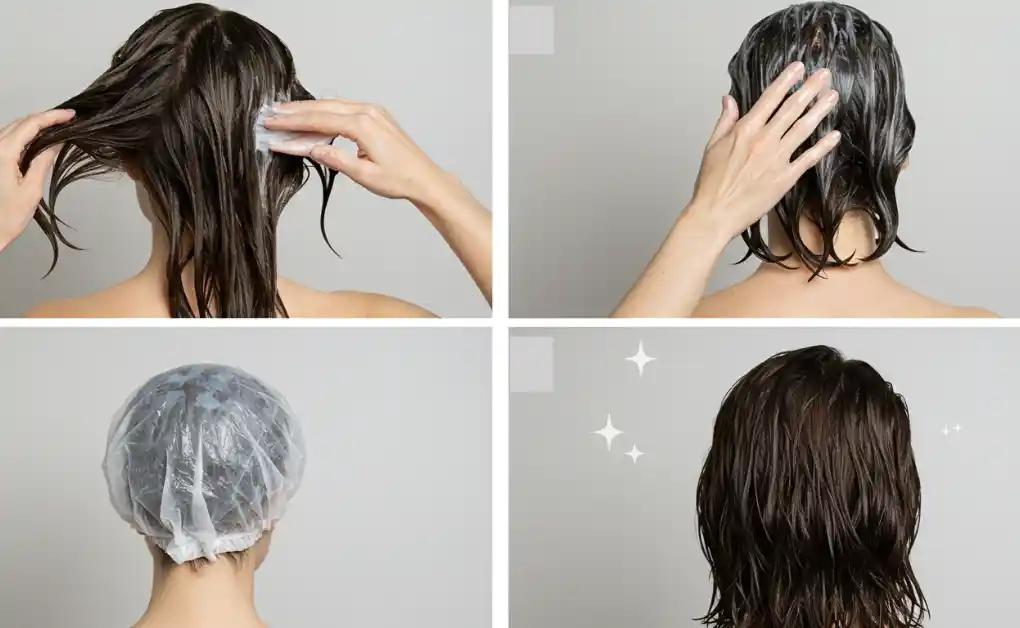
Using a hair mask isn’t complicated, but small tweaks can make a big difference in results. Here’s a clear and effective way to apply your mask at home.
1. Wash Your Hair First
Start with clean hair. Shampoo removes dirt, oil, and buildup that could block the mask from absorbing. Avoid conditioner, you want the mask to do the heavy lifting. After rinsing your shampoo, gently squeeze out excess water or pat your hair with a towel until it’s damp.
2. Apply the Mask Evenly
Take a generous amount of the mask and apply it from the mid-length to the ends. These areas are usually the most dry or damaged. Use your fingers or a wide-tooth comb to distribute it evenly. Unless the product is meant for the scalp, avoid applying it directly at the roots, too much can cause heaviness or greasiness.
3. Let It Sit
This is where the magic happens. Leave the mask on for the time recommended on the packaging, usually between 5 to 20 minutes. For extra nourishment, wrap your hair in a warm towel or cover it with a shower cap. The warmth helps the mask penetrate more deeply.
4. Rinse with Cool or Lukewarm Water
Rinse thoroughly, but don’t use hot water. Cool water helps close the hair cuticle and lock in moisture. Make sure there’s no residue left, leftover product can lead to buildup and dullness.
5. Style as Usual
Once rinsed, dry and style your hair however you like. You should notice a difference in how smooth and manageable it feels, especially if you’ve been dealing with dryness or frizz.
Choosing the Right Hair Mask for Your Hair Type
Not all hair masks are created equal. Picking one that suits your hair type is key to getting visible results.
For dry or brittle hair:
Look for masks with hydrating ingredients like shea butter, coconut oil, or argan oil. These help restore softness and elasticity.
For damaged or colored hair:
Choose protein-rich formulas with keratin, silk proteins, or amino acids. These rebuild the structure of the hair strand and prevent breakage.
For oily hair or scalp:
Avoid heavy butters. Go for clay-based or balancing masks that clarify and refresh without stripping moisture from the ends.
For fine or flat hair:
Use lightweight masks with volumising ingredients. Apply sparingly and avoid the roots to maintain natural bounce.
“Want to give your hair the deep care it deserves? Book a nourishing hair mask treatment at our professional hair salon in Orchard or our welcoming hair salon in Pasir Ris. Your journey to softer, healthier hair starts here!”
Hair Mask Tips for Better Results
- Comb after applying: Distribute the product evenly from root to tip.
- Don’t overdo it: Too much can cause buildup and limpness.
- Use heat wisely: Warm towels or low heat from a hair cap can boost results, but avoid using a blow dryer while the mask is on.
- Rotate masks: Use different formulas based on your hair’s changing needs, moisture one week, protein the next.
Common Mistakes to Avoid
Even a good mask won’t work well if applied incorrectly. Here are a few things to watch out for:
- Skipping shampoo: Always cleanse first so your hair can absorb the nutrients.
- Applying to soaking wet hair: Water dilutes the product. Towel-dry before applying.
- Using too often: Masks are powerful, stick to once or twice a week unless your hair really needs it.
- Not rinsing well: Leftover product can cause dullness or buildup over time.
Final Thoughts
Knowing how to use a hair mask properly can make a visible difference in your hair’s texture, strength, and shine. It’s not just a luxury, it’s a smart, targeted step in any hair care routine. Take the time to understand your hair’s needs, choose the right formula, and apply it the right way. Your hair will thank you for it, with softness you can see and feel.
Frequently Ask Questions
How often should I use a hair mask?
Use it 1–2 times a week for dry or damaged hair. For normal or oily hair, once every 10–14 days is enough to avoid buildup or heaviness.
Should I shampoo before applying a hair mask?
Yes, always shampoo first to remove buildup. Clean hair helps the mask absorb better and deliver more noticeable results.
Can I use a hair mask on my scalp?
Only if the product says it’s scalp-safe. Most masks are meant for mid-lengths and ends to avoid greasiness or clogged pores.
What’s the difference between a hair mask and conditioner?
A hair mask is more concentrated and used weekly, while conditioner is lighter and used after every wash. Masks give deeper hydration and repair.
Do I need to rinse out a hair mask completely?
Yes, always rinse thoroughly with cool or lukewarm water. Leftover product can cause buildup, dullness, or scalp irritation.