
How to Remove Hair Dye from Skin: Easy, Gentle Ways That Really Work
POSTED ON January 28, 2026
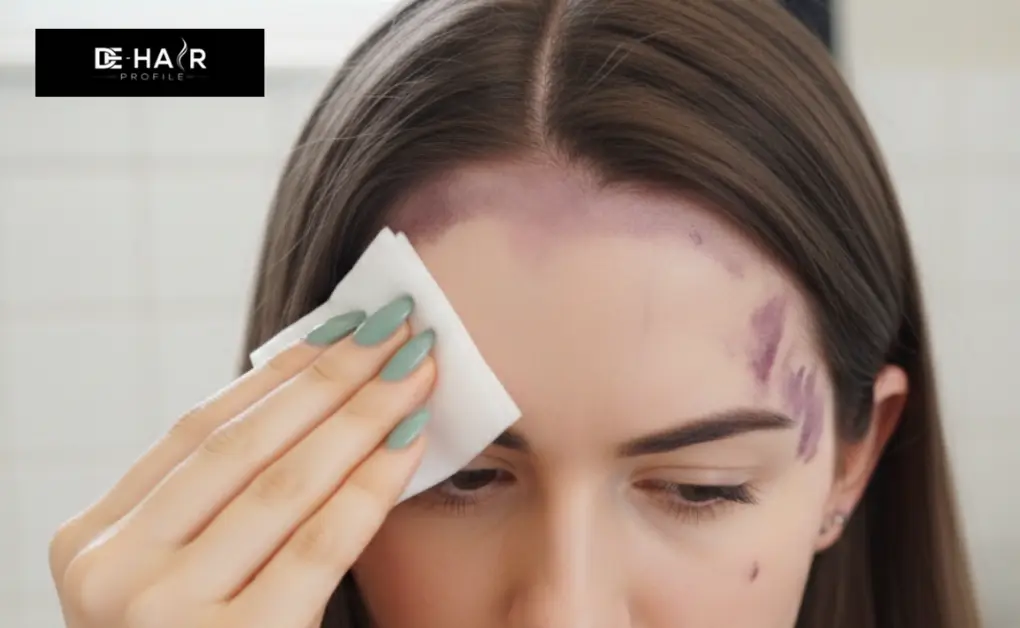
We’ve all had that little “oh no” moment, you’re done colouring your hair, feeling proud of your fresh new shade, and then you notice dark stains on your forehead, ears, or fingers. It’s frustrating, right? You spend all that time making your hair look gorgeous, only to end up with marks that don’t match the look you were going for.
But don’t worry, these stains are temporary and can usually be removed easily with a few simple tricks. Whether you’re a first-timer or a seasoned home colourist, here’s exactly how to remove hair dye from skin safely and gently, without any scrubbing disasters, so you can enjoy your new colour with confidence. Because of these little mishaps, many people prefer getting their colour done at a professional hair salon in Orchard, but if you’ve coloured your hair at home, this guide is just for you.
Gentle and Effective Ways to Remove Hair Dye from Skin
Start with the mildest options before trying anything stronger. These simple, skin-friendly methods are perfect for fresh stains and keep your skin calm and smooth while removing colour safely.
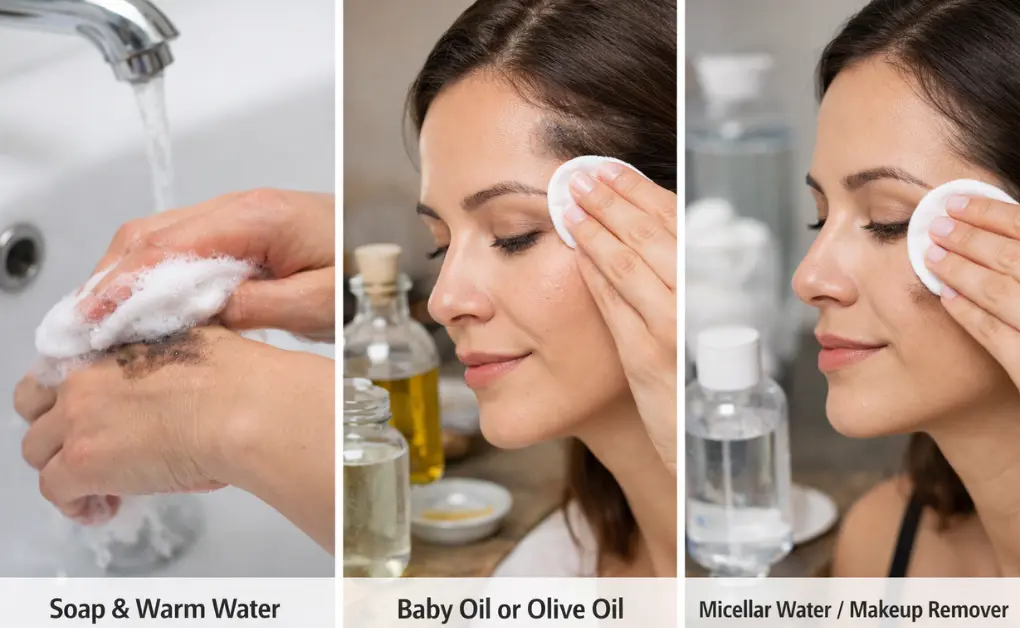
1. Soap and Warm Water
Sometimes, the simplest fix really does the job. A bit of soap and warm water can work wonders for new stains on your hands, neck, or hairline before they set in. It’s a significant first step to try right after colouring, especially if you notice the dye hasn’t thoroughly dried yet.
How to do it:
- Use mild soap and warm (not hot) water.
- Soak a soft cloth or cotton pad in warm water, add a bit of soap, and gently rub in small circles.
- Rinse and repeat if needed.
The sooner you act, the easier it is to lift the colour. Try this within minutes of spotting the stain.
2. Baby Oil or Olive Oil
If your skin leans on the sensitive side, oils are the best options. Both baby oil and olive oil work beautifully to break down stubborn dye while nourishing your skin. They’re especially gentle for delicate areas like the face, ears, and neck, where you don’t want to risk irritation.
How to do it:
- Apply a few drops of baby oil or olive oil to a cotton pad or your fingertips.
- Gently massage over the stained area.
- Leave it on for 10–15 minutes (or overnight for tougher stains).
- Wipe away with a warm, damp cloth.
Follow up with a light moisturiser to lock in hydration and leave your skin soft and smooth.
3. Micellar Water or Makeup Remover
For quick clean-ups, micellar water or makeup remover is ideal. It’s gentle yet effective and perfect for anyone who dyes their hair often. These products lift colour easily from small areas like the hairline, cheeks, or forehead without stripping your skin’s natural moisture.
How to do it:
- Soak a cotton pad with micellar water or makeup remover.
- Press it lightly on the stained area for a few seconds.
- Wipe gently in circular motions until the colour fades.
Choose an alcohol-free formula; it’s kinder on the skin and helps prevent dryness or tightness afterwards.
Stronger Methods to Remove Persistent Hair Dye
If the stains are darker or have already set in, don’t worry, there are a few stronger methods that can help. These work exceptionally well if you’re trying to figure out how to remove hair dye from hands or tackle deeper marks along your hairline. Just remember to stay gentle, as these options are a bit more powerful.
1. Baking Soda and Dish Soap Mix
When gentle cleansers aren’t quite enough, a mix of baking soda and dish soap can do the trick. Baking soda’s mild grit helps lift stubborn dye, while dish soap cuts through residue easily. It’s a simple, effective DIY hair dye remover for tough stains.
How to do it:
- Combine one teaspoon of baking soda with a few drops of dish soap to form a paste.
- Apply it to the stained area using your fingertips or a soft cloth.
- Rub gently in circular motions for 30–60 seconds.
- Rinse with warm water and pat dry.
Best for: Hands, fingers, or the back of the neck; avoid using it on delicate facial skin.
Follow with a moisturiser or hand cream, as baking soda can leave the skin a bit dry.
2. Toothpaste (Non-Gel Type)
It might surprise you, but plain white toothpaste is a handy little hair dye stain remover. The mild abrasives in toothpaste help exfoliate and lift surface colour without being too harsh.
How to do it:
- Use a pea-sized amount of non-gel white toothpaste.
- Apply it to the stain and rub gently with your fingers or a soft cloth.
- Let it sit for a minute or two, then rinse with warm water.
Best for: Small areas such as fingers, around the hairline, or the sides of your face.
If you have sensitive skin, mix the toothpaste with a drop of moisturiser to make it gentler.
3. Rubbing Alcohol or Nail Polish Remover
For the toughest, most stubborn stains, a little rubbing alcohol or acetone-free nail polish remover can work wonders, but these should always be used carefully. They dissolve dyes quickly, making them effective for removing deep colour from the skin.
How to do it:
- Moisten a cotton pad with rubbing alcohol or acetone-free nail polish remover.
- Lightly dab the stained area, don’t scrub.
- Rinse the spot with warm water afterwards and apply moisturiser to soothe the skin.
Best for: Hands or other non-sensitive areas; avoid using on the face or near the eyes.
Always do a small patch test first to make sure your skin doesn’t react to the product.
With these strategies, you can enjoy your new hair colour confidently while keeping your skin clean and healthy. For those who want a flawless colour application with minimal risk of staining, De Hair Profile’s professional colour services can provide expert care and advice.
Natural Remedies to Try at Home
If you love gentle, skin-friendly solutions, these simple home remedies work beautifully to remove hair-dye stains from your skin, all without harsh chemicals. They’re safe, affordable, and perfect for anyone who prefers a natural touch.
Lemon Juice
When you need something quick and natural, lemon juice does wonders. Its mild acidity helps fade dye stains gradually while keeping your skin fresh and clean. It’s beneficial for anyone looking for a softer way to remove hair dye from skin.
How to do it:
- Squeeze a small amount of fresh lemon juice onto a cotton pad.
- Gently dab it over the stained area and let it sit for a minute or two.
- Rinse with warm water and apply moisturiser to prevent dryness.
Best for: Hands, neck, and around the hairline. Avoid broken or irritated skin.
Tip: Mix lemon juice with a drop of olive oil for extra hydration and a milder feel.
Bicarbonate Scrub
This one’s a classic diy hair dye remover. Bicarbonate of soda (or baking soda) acts as a soft exfoliant, gently buffing away leftover colour without harming your skin.
How to do it:
- Mix one teaspoon of bicarbonate with a bit of water to form a paste.
- Massage it onto the stained skin in light circular motions.
- Rinse with warm water and pat dry.
Best for: Hands or tougher areas where dye has settled. Avoid using it too often on the face.
Tip: Combine with a drop of honey for added moisture and to keep the scrub gentle.
Vinegar and Water Mix
A vinegar solution is a brilliant hair dye stain remover for those who prefer something natural yet effective. The mild acidity helps dissolve residual pigment and quickly lightens stains.
How to do it:
- Mix equal parts white vinegar and water.
- Dip a cotton pad in the mix and gently wipe over the stained area.
- Rinse with warm water after a minute or two.
Best for: Hands, neck, and other less-sensitive areas.
Tip: Add a few drops of lemon juice for extra brightening power and a fresh scent.
How to Prevent Hair Dye Stains Next Time
A little preparation can save you the clean-up later.
- Protect Your Skin: Apply a thin layer of petroleum jelly or a barrier cream along your hairline and around your ears before colouring.
- Wear Gloves: Always! It saves you from having to later remove hair dye from your hands.
- Clean as You Go: Keep tissues or cotton pads nearby to wipe any drips instantly.
Conclusion
Removing hair dye from the skin is straightforward when you use the right approach. Fresh stains respond well to gentle methods like soap, oils, and micellar water, while more persistent marks can be addressed with baking soda, toothpaste, or natural remedies such as lemon juice, vinegar, or bicarbonate scrubs. Quick action, combined with simple precautions like applying barrier creams, wearing gloves, and wiping up spills immediately, makes the process easier and protects your skin. With these strategies, you can enjoy your new hair colour confidently while keeping your skin clean, soft, and healthy.
If you’d like expert help with your hair colour, you can visit De Hair Profile, Orchard Gateway Salon for professional guidance and advice.
FAQs
How long does it take for hair dye to come off skin?
It depends on the dye type and how quickly you act. Fresh stains may come off in minutes with gentle methods, while darker or set-in dye can take a day or two to fade completely. Using oils, soap, or a hair dye stain remover can speed up the process.
Does Vaseline remove hair dye?
Yes! Applying a thin layer of Vaseline along your hairline or on stained skin before or after colouring can help prevent or lift hair dye. It works by either creating a barrier or breaking down the dye to facilitate easier removal.
How to remove semi-permanent hair colour?
Semi-permanent dyes can linger longer than temporary ones. Gentle scrubs, oils, or a DIY hair dye remover usually work, while stronger options like baking soda mixes or professional hair dye removers can help with stubborn marks.
What is the hardest colour to remove from hair?
Darker shades like black, deep brown, and vivid reds are the toughest to remove, whether from hair or skin. These pigments tend to stain more deeply and may require more potent remedies or repeated gentle cleansing.