
How to Get Rid of Dry Scalp: Complete Home Remedies Guide for Singapore Hair
POSTED ON March 24, 2026
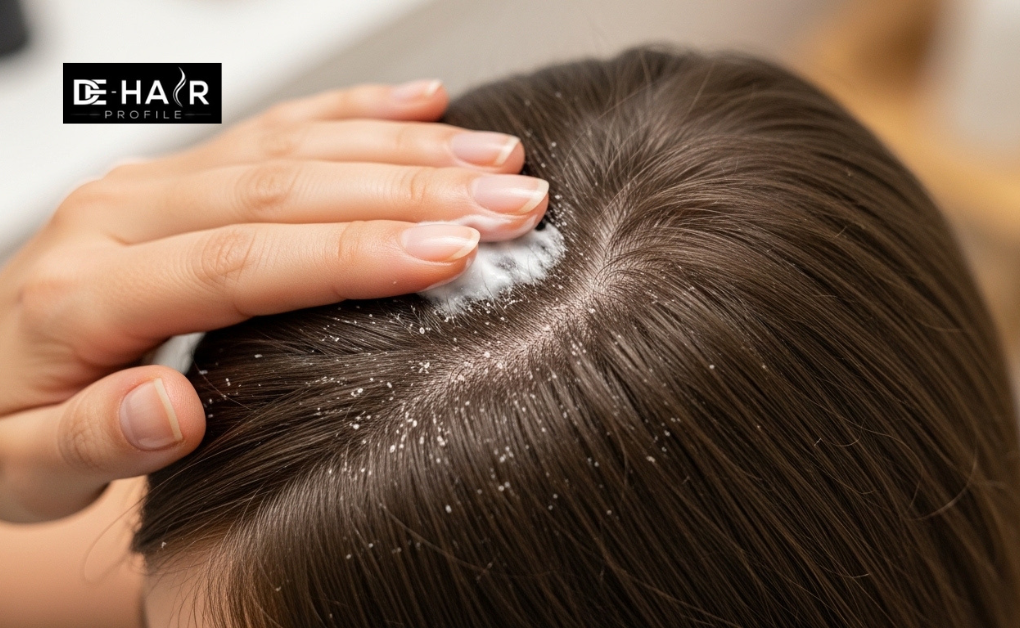
Are you noticing tiny white flakes on your shirt or that constant itch on your scalp after a long day in air-conditioning or under Singapore’s sun? Dry scalp is a common problem here, and it can feel uncomfortable, distracting, and sometimes even embarrassing. Many people try changing shampoos or washing their hair more often, yet the discomfort keeps coming back.
That’s usually when the question comes up: how do you actually get rid of dry scalp? In most cases, the answer isn’t complicated. A few small changes to your daily habits, combined with simple home remedies, can calm the itch, reduce flakes, and help your scalp feel balanced again. In this guide, you’ll learn what causes dry scalp, how to recognise it, and the practical steps you can take to keep your scalp healthy and comfortable.
Why Your Scalp Feels Dry (and How to Spot It)
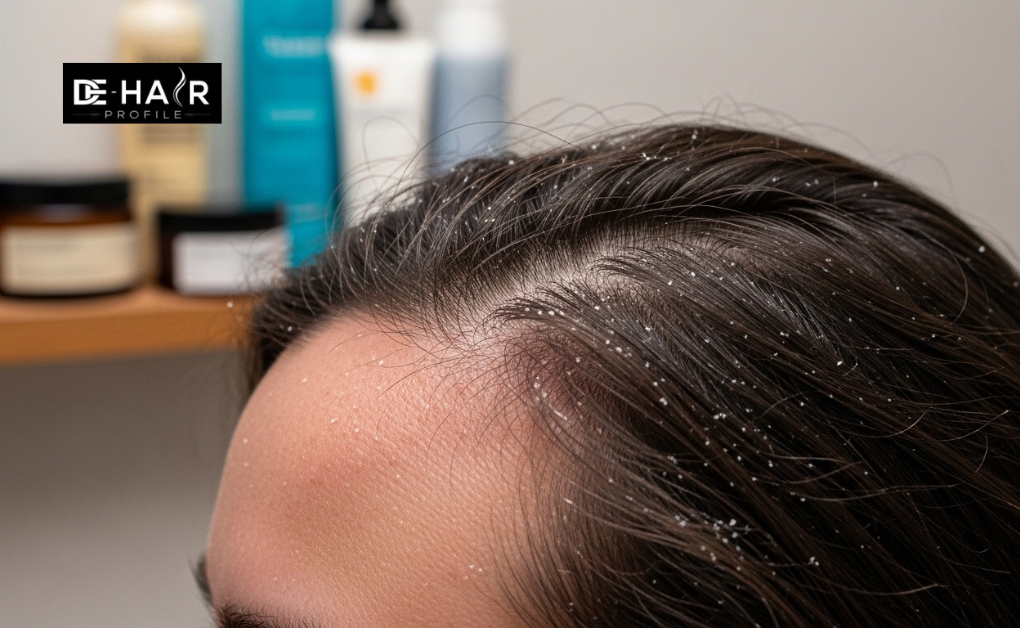
Dry scalp can happen for many reasons. Washing your hair too often, not drinking enough water, or using harsh hair products can strip your scalp of its natural oils. In Singapore, long hours in air conditioning or exposure to the hot sun can worsen dryness. Occasionally, skin conditions like eczema or psoriasis may also play a role.
You might notice:
- Itchiness or tightness
- Small, white flakes on your shoulders
- Dry patches that feel rough or sensitive
Most of the time, dry scalp can be managed at home with the right habits and remedies. Next, we’ll look at simple steps you can take to soothe irritation and restore your scalp’s balance.
Everyday Habits That Keep Your Scalp Healthy
Small, consistent changes in your daily routine can make a noticeable difference in how your scalp feels. Here are some simple habits to try:
- Wash Smartly: Use lukewarm water instead of hot. Hot water can strip your scalp of its natural oils, leaving it tight and uncomfortable. Pair this with a gentle, sulfate-free shampoo to keep your scalp balanced and protected.
- Limit Over-Washing: Washing your hair too often can remove the natural oils your scalp needs to stay healthy. For most people, two to three washes per week are enough to keep their hair clean without drying out the scalp.
- Protect from AC and Sun: Air-conditioning may feel refreshing, but it can dry out your scalp over time. Avoid direct airflow from vents and wear a light hat or scarf when spending time under the tropical sun. Even short periods outside can make sensitive scalps drier.
- Hydrate and Eat Well: Drinking enough water and eating foods rich in omega-3s and vitamins A, C, and E can nourish your scalp from the inside. Hydration isn’t just for your skin; it matters for your hair, too.
- Be Gentle with Styling; Heat styling, chemical treatments, and alcohol-based products can strip moisture from your scalp. Keep styling to a minimum and always handle your hair gently.
By adopting these habits, you’re not just reducing dryness, you’re also preparing your scalp to get the most benefit from natural remedies.
Effective Home Remedies for Dry Scalp
Once your daily habits are in place, natural remedies can give your scalp extra care and hydration. These solutions are safe, simple, and help tackle dryness at the source.
- Coconut Oil: Coconut oil penetrates deeply to nourish and moisturise the scalp. Warm a small amount and massage gently for 5–10 minutes, then leave it on for 30–60 minutes before washing with a mild shampoo. Over time, it reduces flakes and soothes itchiness.
- Jojoba Oil: Jojoba oil closely mimics your scalp’s natural oils, making it ideal for restoring moisture without feeling greasy. Massage a few drops into the scalp and leave for 20–30 minutes before rinsing. It helps balance oil production and calm dryness.
- Aloe Vera Gel: Aloe vera cools and hydrates irritated skin. Apply a thin layer to your scalp and leave for 20–30 minutes before rinsing. It’s particularly soothing after sun exposure or long hours in air-conditioning.
- Tea Tree Oil: Tea tree oil has natural antifungal and anti-inflammatory properties. Mix a few drops with a carrier oil, like coconut or jojoba oil, and massage into your scalp for 10–15 minutes, then rinse. It helps reduce itchiness and maintain scalp balance.
- Apple Cider Vinegar: Apple cider vinegar gently exfoliates dead skin cells and restores scalp pH. Dilute with water (1:2), apply after shampooing, leave on for 5 minutes, then rinse. Using it once a week can prevent flaking and dryness.
- Banana or Avocado Masks: Mashed banana or avocado helps lock in moisture and soften the scalp. Apply for 15–20 minutes and rinse. These fruit masks are natural, affordable, and effective.
- Yoghurt and Egg Mask: Yoghurt and egg combine to provide protein, probiotics, and fatty acids that nourish and strengthen the scalp. Mix one egg yolk with plain yoghurt, apply to your scalp, leave for 15–20 minutes, then rinse with lukewarm water. This mask gently moisturises, reduces dryness, and supports healthier hair growth.
- Honey: Honey acts as a natural humectant, drawing moisture into the scalp and soothing irritation. Mix a small amount with lukewarm water or a mask base and apply for 15–20 minutes before rinsing. It’s gentle and hydrating, especially for sensitive or flaky areas.
- Olive Oil or Witch Hazel: Olive oil deeply nourishes, while witch hazel reduces inflammation. Massage into dry areas, leave for 30 minutes, and rinse. These are ideal for sensitive patches or spots prone to dryness.
By combining these remedies with your daily habits, your scalp will feel softer, itch less, and be healthier. Consistency is key; small, regular steps make the biggest difference in preventing dryness over time.
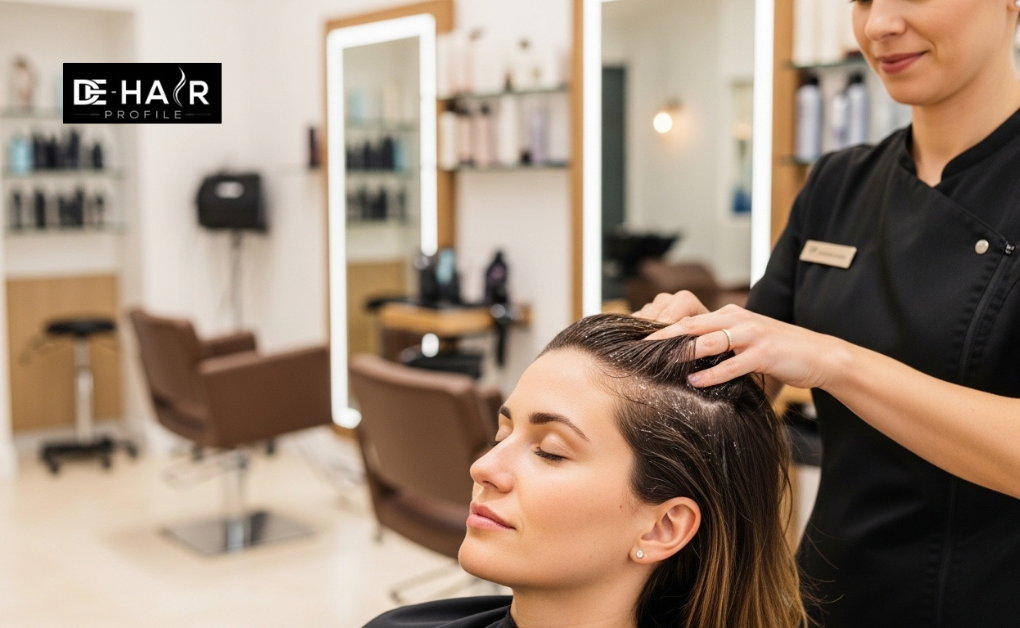
If home remedies aren’t enough, a professional dry scalp treatment can help restore balance and improve scalp health. DE Hair Profile, a hair salon in Orchard Central, offers personalised treatments. Their Signature Scalp Care treatment removes buildup, balances oil levels, and stimulates hair growth, leaving your scalp refreshed and healthy.
When to See a Dermatologist
Most cases improve with home care. However, if dryness persists for a long time, it may begin to affect overall scalp health. In some cases, untreated dryness may contribute to irritation linked with dry scalp and hair loss, which is why professional advice can help.
But if you experience:
- Persistent itching or flakes despite remedies
- Red, swollen, or painful patches
- Hair loss or sores
It’s best to consult a dermatologist. They can identify conditions like eczema, psoriasis, or fungal infections, and recommend medicated shampoos or treatments tailored to your needs.
Conclusion
A healthy scalp is within reach when you pay attention to simple care and mindful routines. Combining thoughtful daily practices with natural treatments can restore balance, reduce irritation, and make your hair feel more resilient. Begin with one easy step today; over time, these consistent actions will leave your scalp feeling nourished and comfortable.
For an extra boost or customised treatment, consider visiting a professional hair salon in Orchard to complement your home care routine and keep your scalp and hair in top condition.
FAQs
1. What’s the difference between dry scalp and dandruff?
Dry scalp occurs when your scalp lacks enough moisture, leading to tiny, powdery flakes. Dandruff is usually caused by excess oil and skin cell shedding, often linked to yeast or seborrheic dermatitis. While both can cause flaking and itchiness, the flakes in dandruff are often larger and greasier, and the scalp can appear more inflamed.
2. Can using dry shampoo cause or worsen a dry scalp?
Yes. While dry shampoo can help freshen hair between washes, overuse can lead to product buildup on the scalp. This buildup can clog pores, irritate the skin, and worsen dryness or flaking. Use dry shampoo sparingly and make sure to wash your scalp regularly with water and gentle shampoo.
3. How often should I wash my hair if I have a dry scalp?
For a dry scalp, washing hair too often can strip away natural oils and worsen dryness. Most people find that washing about 2–3 times per week with a gentle, hydrating shampoo is enough to keep the scalp clean without stripping moisture.
4. Can diet affect my scalp health?
Yes. What you eat can influence skin and scalp hydration. Foods rich in omega‑3 fatty acids (like fish, nuts, and flaxseed) and vitamins A, C, and E help support skin health. Staying well‑hydrated overall also helps your scalp retain moisture from the inside out.
5. Are there things I should avoid if I want to prevent dry scalp?
When thinking about how to get rid of dry scalp, avoid habits that dry it out. This includes hot water, harsh styling products, and too much exposure to air-conditioning or the sun. These can strip natural moisture from your scalp.