
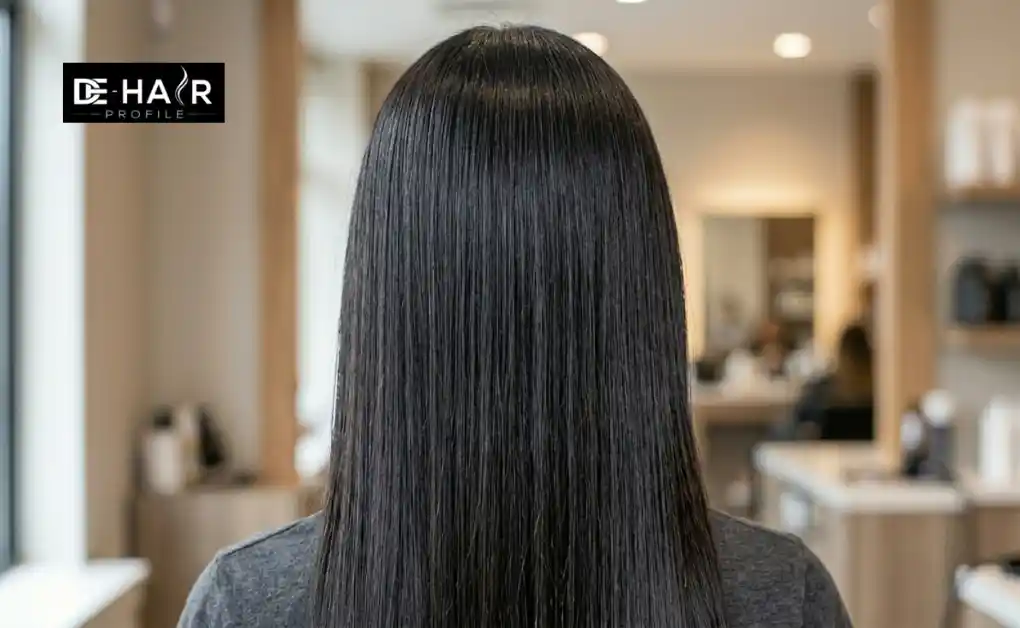
Can Keratin Treatment Cause Hair Loss? Understanding the Risks and Realities
POSTED ON March 1, 2026
You’ve probably seen the sleek, glossy results of keratin treatments and wondered if it could work for you. But then comes the worry: can keratin treatment cause hair loss? For many Singaporeans, the idea of losing hair while trying to tame frizz can feel alarming.
Keratin treatments do not directly cause hair loss. However, excessive heat, strong chemical formulas, or already fragile hair can lead to breakage or temporary shedding in some cases. Understanding how the treatment works, identifying risk factors, and following proper care can help you enjoy smoother hair without compromising hair health.
In this article, we’ll explore why shedding happens, who is most at risk, and what practical steps you can take to protect your hair.
What Keratin Treatments Do to Your Hair
Keratin treatments work by adding protein to the hair and then sealing it with heat, giving strands a smoother, shinier appearance. Here’s how the process generally works:
- Protein infusion – The hair absorbs keratin proteins, which help strengthen weak or damaged strands.
- Heat sealing – A flat iron or other heated tool locks the keratin into the hair shaft.
- Temporary smoothing – The result is hair that looks glossier, feels softer, and is easier to manage for a few months, typically 2–5 months depending on hair type and care.
While the treatment can leave hair looking polished and healthy, the combination of chemicals and high heat does place some stress on the strands. If treatments are performed too frequently or applied incorrectly, that stress may contribute to dryness, breakage, or increased shedding over time.
If you’re unsure whether this smoothing treatment is right for your hair type or concerns, you can read more about whether keratin treatment is good for hair before making a decision.
How Hair Loss Can Happen After a Keratin Treatment
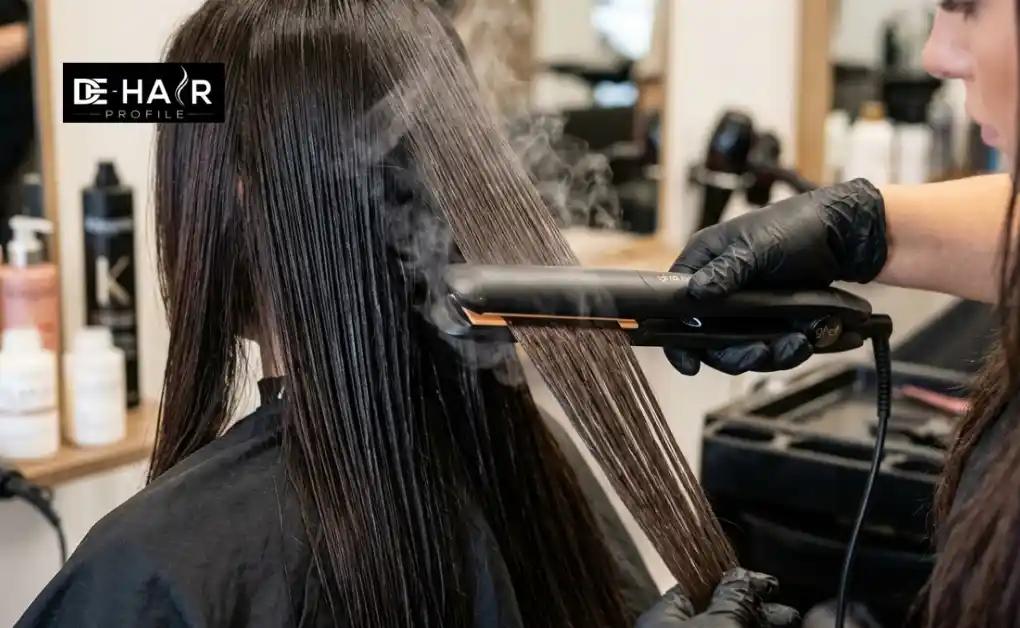
Hair loss from keratin treatments usually isn’t caused by the keratin itself, but by factors that put extra stress on your hair. Common contributors include:
1. Chemical Stress
Some keratin treatments contain formaldehyde or other strong chemicals. When hair is exposed to these repeatedly or in high concentrations, the shaft can weaken, making strands more likely to break.
2. Heat Damage
The process involves sealing the keratin with high heat. Excessive or improperly applied heat can:
- Weaken the hair cuticle
- Cause split ends and breakage
- Lead to temporary shedding
3. Pre-Existing Fragility
Hair that is already fine, coloured, or chemically treated is more vulnerable. Keratin treatments can add stress, making breakage or shedding more noticeable.
4. Scalp Sensitivity
Some people experience irritation or mild allergic reactions on the scalp. While this doesn’t directly cause hair loss, scratching or inflammation can make shedding worse.
If you want expert scalp care, DE Hair Profile provides the Signature Scalp Care Treatment, which helps soothe the scalp, reduce irritation, and support healthier hair growth.
Understanding these factors can help you take steps to protect your hair before and after a treatment, reducing the risk of breakage or thinning.
How to Reduce the Risk of Hair Loss from Keratin Treatments
If you’re considering a keratin treatment in Singapore, there are several ways to protect your hair and keep it healthy:
- Opt for formaldehyde-free formulas – These are gentler on both hair and scalp, reducing chemical stress.
- Go to a professional stylist – Experienced stylists know how to apply the treatment evenly and use the right heat settings, which lowers the risk of damage.
- Give your hair time to recover – Space out treatments so your strands have a chance to regain strength between sessions.
- Prepare your hair in advance – Deep-conditioning masks or protein treatments can strengthen fragile strands before the treatment.
- Follow gentle post-treatment care – use sulfate-free shampoos and avoid harsh styling products to keep hair smooth without adding stress.
If you want to manage frizz or strengthen fragile strands after a keratin treatment, professional Anti Frizz Treatments can help maintain hair manageability while protecting its health.
Taking these steps can help you enjoy the benefits of keratin treatments while keeping your hair strong and minimizing shedding.
Signs Your Hair Might Be Affected by a Keratin Treatment
Even when applied correctly, keratin treatments can sometimes stress hair. Watch for these warning signs:
- Brittle or overly dry strands – Hair feels rough or straw-like to the touch.
- More breakage than usual – Strands snap when brushing, combing, or styling.
- Noticeable shedding – Hair falling around the hairline, parting, or during washes.
- Frizz returning quickly – Smoothness fades faster than expected.
If you notice brittleness, breakage, or scalp irritation, it helps to get expert guidance before your next keratin session. If you want professional care, a hair salon in Orchard can assess your hair and recommend treatments to keep it healthy and strong.
Conclusion
Keratin treatments can be effective for smoothing and managing hair, but they place stress on strands in certain situations. Being aware of factors like hair condition, treatment method, and post-care allows you to approach the process thoughtfully. With careful preparation and attention, it’s possible to maintain healthy, manageable hair while benefiting from the treatment’s results.
Paying attention to your hair’s needs before and after the treatment can make a noticeable difference in its strength and appearance. Taking small, consistent steps makes sure you enjoy the sleekness of keratin treatments without compromising overall hair health.
FAQs
1. Can keratin treatment permanently damage hair?
Most hair damage is temporary if applied correctly. Permanent damage usually occurs only from repeated high-heat treatments or overuse of strong chemicals.
2. How long should I wait between keratin treatments?
Waiting at least 3–4 months between sessions allows your hair to recover fully. Spacing treatments properly also helps prevent protein overload, which can make hair stiff and prone to breakage.
3. Are there safer keratin treatment options?
Yes, choose formaldehyde-free or low-chemical formulas and make sure a certified stylist applies the treatment. You can also request a patch test beforehand if you have a sensitive scalp or a history of product reactions.
4. Can keratin treatment make hair feel thinner after it wears off?
Some people notice their hair feels thinner, limp, or less voluminous once the smoothing effect wears off. This isn’t actual hair loss; it’s usually due to changes in texture and how the hair falls after the treatment.
5. Why does hair sometimes shed a few weeks after a keratin treatment?
A small increase in shedding 3–4 weeks after treatment can happen because the chemical and heat stress nudges hair that was already near the end of its growth phase into shedding earlier than usual, a pattern known as telogen effluvium.